

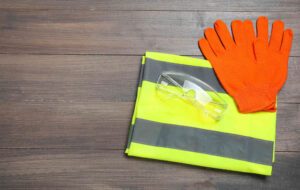
The role of PPE preventing workplace injuries isn’t much of a mystery, but why is it so important?
Workplace safety should always be a top priority for employers and employees alike. One of the most effective ways of preventing workplace injuries is through the proper use of personal protective equipment, commonly known as PPE. From construction sites and manufacturing plants to warehouses and healthcare facilities, PPE plays a critical role in reducing the risk of accidents, illnesses, and long-term injuries.
Businesses that invest in quality PPE and enforce proper safety procedures create safer environments for their teams while also improving productivity, compliance, and employee confidence. Understanding the role of PPE in daily operations is essential for any company focused on preventing workplace injuries.
What Is PPE?
Personal protective equipment includes wearable gear and safety devices designed to protect workers from hazards in the workplace. PPE serves as a barrier between employees and potential dangers such as chemicals, heat, electricity, falling objects, loud noises, airborne particles, and sharp materials.
Common examples of PPE include:
- Safety helmets
- Safety glasses and face shields
- Gloves
- Flame-resistant clothing
- High-visibility apparel
- Respirators and masks
- Steel-toe boots
- Hearing protection
- Fall protection harnesses
Different industries require different types of PPE depending on the risks employees face during daily operations.
Why PPE Matters for Preventing Workplace Injuries
Accidents can happen in any workplace, even in environments with strong safety protocols. PPE provides an additional layer of protection that helps minimize the severity of injuries when hazards cannot be completely eliminated.
For example, workers in industrial settings may encounter sparks, heavy machinery, or hazardous chemicals. Without proper PPE, even a minor incident could result in burns, cuts, respiratory problems, or serious long-term health complications.
Using PPE correctly is one of the most effective strategies for preventing workplace injuries because it helps reduce exposure to hazards that cannot always be controlled through engineering or administrative measures alone.
Common Workplace Hazards PPE Helps Prevent
Head Injuries
Hard hats and helmets protect workers from falling tools, debris, and accidental impacts. Construction sites, warehouses, and industrial facilities often require head protection to reduce the risk of traumatic injuries.
Eye and Face Injuries
Flying debris, chemicals, sparks, and dust can cause severe eye injuries. Safety glasses, goggles, and face shields help prevent vision damage and facial injuries in manufacturing, welding, and laboratory environments.
Hand Injuries
Hands are frequently exposed to cuts, burns, abrasions, and chemical exposure. Protective gloves designed for specific applications are essential for preventing workplace injuries involving the hands and fingers.
Foot Injuries
Heavy equipment, slippery surfaces, and falling objects create significant risks for workers. Steel-toe boots and slip-resistant footwear help reduce injuries caused by impacts, punctures, and falls.
Respiratory Issues
Dust, fumes, smoke, and airborne contaminants can lead to serious respiratory illnesses. Respirators and masks help protect workers from inhaling harmful substances that may cause long-term health problems.
Hearing Loss
Employees working around loud machinery or equipment are at risk of permanent hearing damage. Earplugs and earmuffs help preserve hearing and improve overall workplace safety.
The Importance of Proper PPE Training
Providing PPE alone is not enough. Employees must understand how to use, maintain, and inspect their protective equipment properly. Training should cover:
- When PPE is required
- How to wear PPE correctly
- Proper cleaning and storage procedures
- How to identify damaged equipment
- When PPE should be replaced
Ongoing training reinforces workplace safety standards and helps ensure PPE remains effective in preventing workplace injuries.
PPE Compliance and Workplace Regulations
Organizations such as the Occupational Safety and Health Administration (OSHA) establish safety requirements for PPE use in many industries. Employers are responsible for assessing workplace hazards and providing appropriate protective equipment when necessary.
Failure to comply with safety regulations can lead to workplace injuries, legal liabilities, fines, and reduced employee morale. Maintaining proper PPE programs demonstrates a commitment to worker safety and regulatory compliance.
Industry-Specific PPE Needs
Construction
Construction workers often require hard hats, high-visibility apparel, gloves, safety boots, and fall protection systems. These items help reduce the risk of injuries from heavy equipment, falling materials, and hazardous work environments.
Manufacturing
Manufacturing facilities may require hearing protection, protective eyewear, respirators, and cut-resistant gloves to protect employees from machinery, chemicals, and repetitive hazards.
Oil and Gas
Workers in oil and gas environments commonly use flame-resistant clothing, chemical-resistant gloves, and respiratory protection due to fire risks and hazardous materials.
Healthcare
Healthcare workers rely on gloves, masks, gowns, and face shields to reduce exposure to infectious diseases and bodily fluids.
How Quality PPE Improves Workplace Culture
Investing in high-quality PPE shows employees that their safety and well-being matter. Workers who feel protected are often more confident, focused, and productive throughout the workday.
A strong safety culture built around preventing workplace injuries can also help businesses:
- Reduce workers’ compensation claims
- Minimize downtime from accidents
- Improve employee retention
- Enhance company reputation
- Increase operational efficiency
When PPE becomes part of a company’s overall safety mindset, it contributes to a more professional and secure workplace environment.
Choosing the Right PPE Supplier
Selecting the right PPE supplier is important for maintaining workplace safety standards. Businesses should look for providers that offer:
- Industry-compliant products
- Durable and reliable equipment
- Proper sizing and customization options
- Ongoing support and inventory management
- Uniform and PPE programs tailored to industry needs
Partnering with an experienced PPE provider helps businesses stay prepared while improving efforts toward preventing workplace injuries.
Final Thoughts on Preventing Workplace Injuries
PPE remains one of the most important tools for preventing workplace injuries across countless industries. While no workplace can eliminate every hazard, proper protective equipment significantly reduces the likelihood and severity of accidents.
By combining high-quality PPE with employee training, safety policies, and regulatory compliance, businesses can create safer environments that protect workers every day. Companies that prioritize preventing workplace injuries not only safeguard their employees but also strengthen productivity, morale, and long-term success.
Uniforms & Services from Ace Uniform
For more than 50 years, Ace Uniform has been providing professional uniforms to a wide range of trades and businesses. We offer Uniform Rental, Lease-Maintenance, and Direct Sale programs that promote an enhanced company image. We also offer Facility Services that support safety, hygiene, and protection. Our services result in higher employee morale, stronger teamwork, and improved overall performance.
We are a local, family-owned business that fosters a relationship with every single customer we work with, emphasizing service and response. If you want to know more about who we are and what we do, you can find us on Facebook, X, LinkedIn, and Pinterest. If you are interested in working with us, please give us a call at 1-800-366-1616. You can also fill out our online contact form below.
“Your Appearance Is Our Business”