
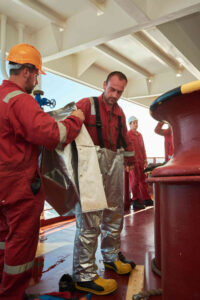
Flame-resistant clothing is essential personal protective equipment for various industries.
Workplace safety has become a top priority across countless industries, especially in environments where employees are exposed to fire hazards, electrical arcs, combustible dust, or flash fires. One of the most important forms of personal protective equipment in these settings is flame-resistant clothing. Businesses that invest in proper FR apparel help protect workers, improve compliance, and reduce the risk of severe injuries on the job.
For companies operating in hazardous environments, flame-resistant clothing is not optional. It is a critical part of a comprehensive safety program. Understanding who needs FR gear, how it works, and the standards that govern it can help employers make informed decisions that protect both their workforce and their operations.
Industries That Require Flame-Resistant Clothing
Many industries rely on flame-resistant clothing to meet workplace safety requirements and reduce risk exposure. Workers in these environments face daily hazards that can quickly become life-threatening without proper protection.
Oil and Gas Industry
The oil and gas sector is one of the largest users of flame-resistant clothing. Employees working on drilling rigs, refineries, pipelines, and fuel transport operations are regularly exposed to flammable materials and flash fire hazards.
A single spark near combustible gases or liquids can trigger a catastrophic event. FR garments help reduce burn severity and provide essential protection during emergencies. Workers involved in extraction, refining, transportation, and maintenance operations often require full FR uniforms to comply with industry regulations.
Electrical and Utility Work
Electrical workers face a unique danger known as arc flash. An arc flash occurs when electrical energy is suddenly released through the air, generating extreme heat that can cause severe burns or fatalities.
Electricians, utility crews, maintenance technicians, and power plant employees commonly wear flame-resistant clothing rated for arc flash protection. Proper FR apparel helps shield workers from intense heat and molten metal generated during electrical incidents.
In these environments, employers often select garments with an Arc Thermal Performance Value (ATPV) rating to match the level of potential exposure.
Manufacturing Facilities
Manufacturing plants can present a wide range of fire-related hazards depending on the materials and machinery involved. Welding operations, metal fabrication, chemical processing, and industrial equipment maintenance often require flame-resistant clothing.
Facilities that handle combustible dust or flammable chemicals are especially vulnerable to fires and explosions. FR apparel provides an added layer of defense that can significantly reduce injury severity during workplace accidents.
Chemical Processing Operations
Chemical plants expose workers to volatile substances that can ignite quickly under certain conditions. Employees responsible for handling chemicals, monitoring systems, or maintaining processing equipment often rely on flame-resistant clothing for protection.
Because chemical fires can spread rapidly, FR gear plays a major role in workplace emergency preparedness.
Transportation and Logistics
Transportation professionals who move fuel, chemicals, or hazardous materials may also require flame-resistant clothing. Tanker truck operators, railroad workers, and aviation fuel handlers frequently encounter environments where fire hazards are present.
FR uniforms help protect employees during loading, unloading, and transport operations involving combustible materials.
Why Flame-Resistant Clothing Matters
The importance of flame-resistant clothing extends far beyond regulatory compliance. Proper FR gear can save lives and reduce the severity of injuries during workplace incidents.
Reduced Burn Injuries
The primary benefit of flame-resistant clothing is protection against severe burns. FR garments help limit the spread of flames and reduce heat transfer to the skin.
Improved Workplace Safety
Providing employees with appropriate PPE demonstrates a strong commitment to safety. Workers who feel protected are often more confident and productive on the job.
Lower Liability Risks
Businesses that fail to provide proper protective equipment may face significant legal and financial consequences after workplace accidents. Investing in compliant flame-resistant clothing helps reduce liability and supports safer operations.
Enhanced Compliance
Meeting safety regulations is essential in high-risk industries. Proper FR apparel helps businesses comply with federal and industry-specific standards.
OSHA and NFPA Compliance Standards
Employers must understand the regulations governing flame-resistant clothing to ensure worker safety and avoid violations.
OSHA Requirements
The Occupational Safety and Health Administration, commonly known as OSHA, requires employers to assess workplace hazards and provide appropriate protective equipment when necessary.
OSHA regulations specifically address fire-resistant and arc-rated clothing in industries such as electrical work and oil and gas operations. Employers are responsible for selecting suitable PPE based on identified hazards.
NFPA Standards
The National Fire Protection Association, known as NFPA, develops standards that guide the use of flame-resistant clothing in hazardous workplaces.
Some of the most important standards include:
- NFPA 70E: Focuses on electrical safety in the workplace and arc flash protection requirements.
- NFPA 2112: Covers flame-resistant garments for protection against flash fires.
- NFPA 2113: Provides guidance on selecting and maintaining FR garments for industrial personnel.
Businesses should ensure that their flame-resistant clothing meets the appropriate NFPA standards for their industry and applications.
Choosing the Right Flame-Resistant Clothing
Not all flame-resistant clothing is the same. Employers should evaluate workplace hazards carefully before selecting garments.
Important considerations include:
- Hazard type and exposure level
- Arc ratings and thermal protection
- Garment comfort and mobility
- Durability and laundering requirements
- Visibility needs for outdoor or roadside workers
- Compliance certifications
Comfort is especially important because employees are more likely to wear protective equipment correctly when it fits well and allows ease of movement.
Uniforms & Services from Ace Uniform
For more than 50 years, Ace Uniform has been providing professional uniforms to a wide range of trades and businesses. We offer Uniform Rental, Lease-Maintenance, and Direct Sale programs that promote an enhanced company image. We also offer Facility Services that support safety, hygiene, and protection. Our services result in higher employee morale, stronger teamwork, and improved overall performance.
We are a local, family-owned business that fosters a relationship with every single customer we work with, emphasizing service and response. If you want to know more about who we are and what we do, you can find us on Facebook, X, LinkedIn, and Pinterest. If you are interested in working with us, please give us a call at 1-800-366-1616. You can also fill out our online contact form below.
“Your Appearance Is Our Business”